If you run or work in a licensed early childhood centre, first aid is part of your licence. The licensing criteria set a minimum number of first aid qualified adults who must be present whenever children are attending, and your service is assessed against it.
The criteria were updated on 20 April 2026, and from 1 September 2026 the Education Review Office (ERO) took over licensing and regulating early learning services from the Ministry of Education. This guide covers what the current criteria require for first aid, what your team's training should cover, what changed in 2026, and what good practice looks like.
If you have been working from the older "Licensing Criteria for Early Childhood Education and Care Services 2008" booklet, including the August 2021 PDF version, it is now out of date. The criteria have been renumbered and several requirements have changed.
What do the licensing criteria require for first aid?
The first aid requirement for centre-based services is criterion HS119 (it was HS25 before 2026). There must be an adult present at all times for every 25 children attending (or part thereof) who:
- holds a current first aid qualification from a New Zealand Qualifications Authority (NZQA) accredited first aid training provider; or
- is a registered medical practitioner, nurse or midwife with a current practising certificate; or
- is a qualified ambulance officer or paramedic.
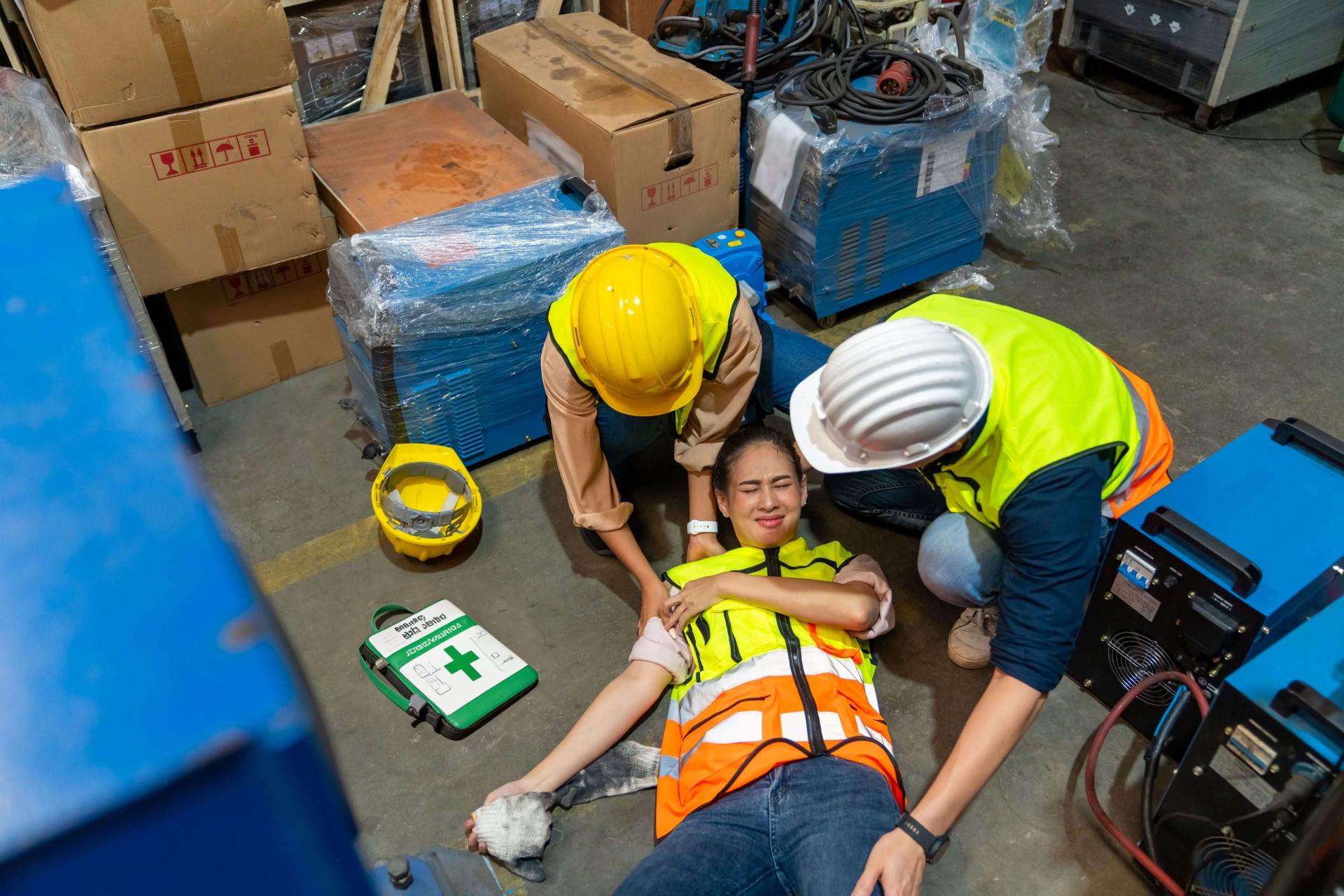
If a child is injured, any first aid they need must be given or supervised by an adult who meets this requirement. Your service also needs to keep copies of the current first aid (or practising) certificates for every adult counted towards the ratio.
How many first aiders you need
The ratio rounds up. One child over a multiple of 25 means one more first aider:
- 1 to 25 children: at least 1 first aid qualified adult
- 26 to 50 children: at least 2
- 51 to 75 children: at least 3
- 76 to 100 children: at least 4
The ratio applies to the whole service, including excursions. ERO's guidance is clear that if some children go on an excursion and some stay behind, the ratio must be met in both places. For example, with 45 children attending and 15 going out on an excursion, you need one first aider with the excursion group and two at the centre for the 30 who stay. That is three first aiders on duty, not two.
The ratio also has to hold across the whole day, including breaks, early starts, late finishes and sick days. ERO says it is likely to look at your rosters and count how many qualified adults are rostered on, so plan for the gaps rather than the average day.
What should first aid training cover?
According to ERO's guidance on HS119 First aid qualifications, a current first aid qualification means completing two NZQA unit standards, 6401 (Provide first aid) and 6402 (Provide resuscitation), through an NZQA accredited provider. That is the legal minimum.
Early learning teams care for babies and young children, so the training is most useful when it is built around them. Look for a course that covers:
- infant and child CPR, as well as adult CPR
- choking in babies and young children
- febrile convulsions
- allergic reactions and anaphylaxis
- asthma emergencies
- bleeding, burns and scalds, fractures and head injuries
- recording and reporting incidents
Choking and allergic reactions matter for another criterion too. HS116 requires the adult supervising children while they eat to know how to respond if a child is choking or has an adverse reaction.
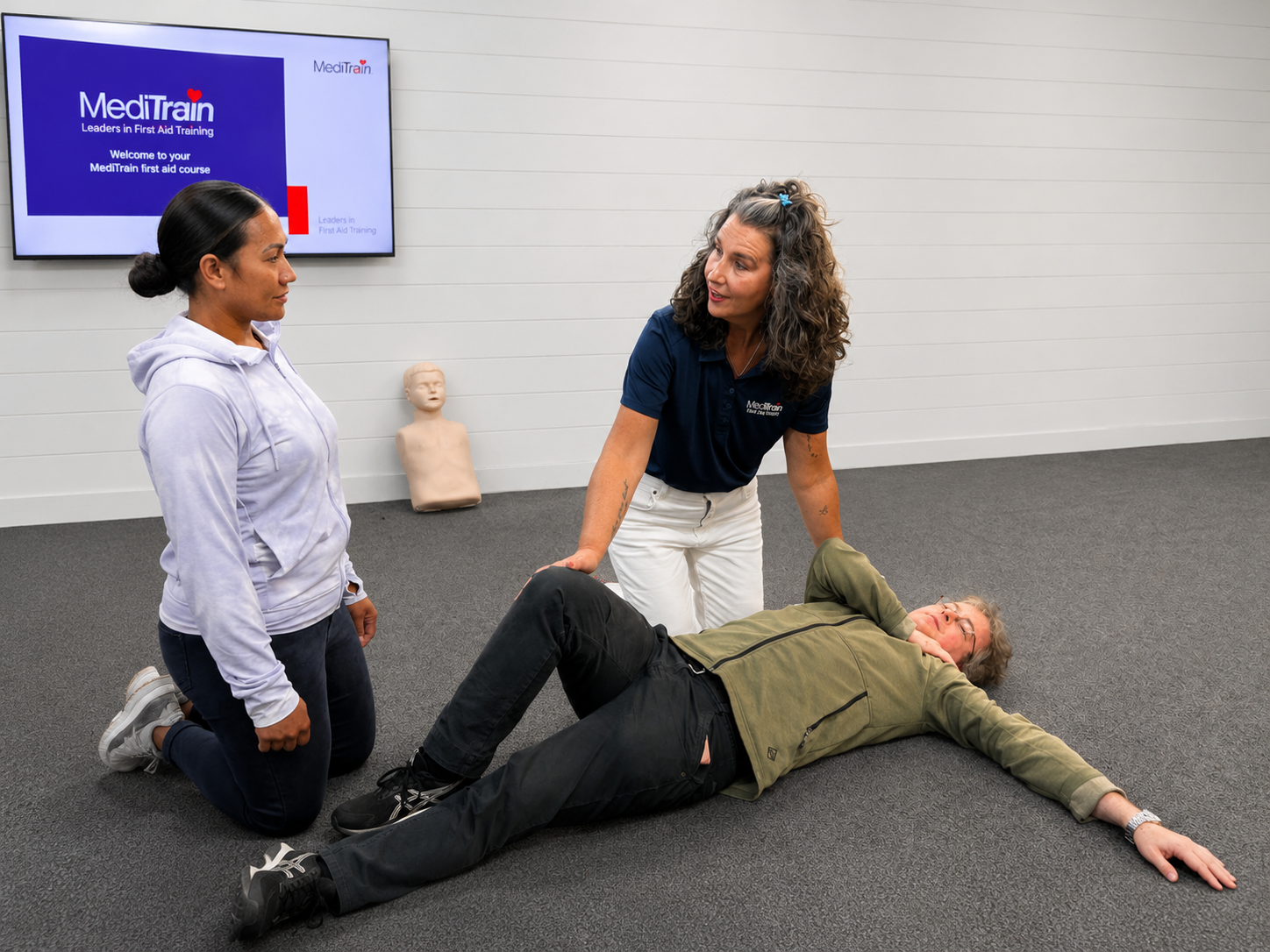
Our Comprehensive Childcare First Aid course covers unit standards 6401 and 6402, plus 6400 (Manage first aid in an emergency situation), with all of the topics above built around early learning settings. Theory is completed online before an 8-hour practical day in class with infant and child manikins.
What changed in 2026?
The changes came out of the Ministry for Regulation's review of early childhood education, which recommended making the licensing criteria proportionate and effective without overburdening providers. The updated criteria were published in the New Zealand Gazette in November 2025 and took effect on 20 April 2026.
Every criterion now has a new number (centre-based criteria are in the 100s), many have updated wording, and some have been merged or removed. Then on 1 September 2026, ERO became the regulator for early learning services, and the criteria were updated again to reflect that transfer.
These are the changes that affect first aid most directly.
Midwives now count towards the ratio
The old criterion listed registered medical practitioners and nurses. HS119 adds midwives with a current practising certificate.
A temporary 1:50 ratio in a serious emergency
HS119 now allows the ratio to drop to one first aid qualified adult for every 50 children, temporarily, during an emergency such as a child being seriously injured or becoming seriously ill. ERO's guidance explains the situation it covers: an adult from the service has to take the child to a medical professional or go with them in an ambulance because their parents are unavailable. If that adult holds a first aid qualification, the ratio can relax to 1:50 until they have had a reasonable amount of time to return. It is not a general staffing allowance, and the 1:25 ratio applies the rest of the time.
No fixed first aid kit contents list
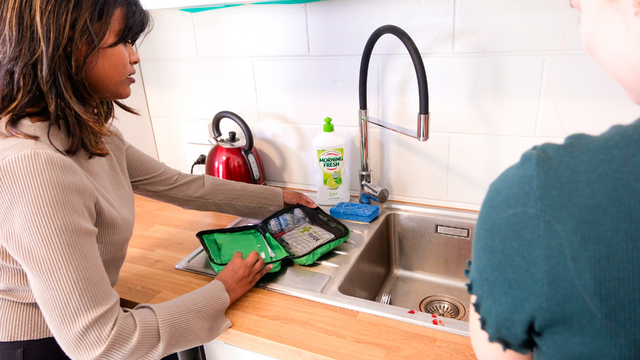
The old criteria included a set list of items every first aid kit had to contain. That list has been removed. Under PF123 (previously PF28), your first aid kit must be sufficient for the number of children at the service, easy for adults to recognise and reach, and kept out of children's reach. You also need a system for reviewing the kit so used or expired items are replaced promptly.
ERO's guidance on PF123 First aid kit suggests at least one medium or large kit for every 50 children as a general guide, and at least one adult on each excursion with a kit on hand. It also links to a list of recommended contents.
Clearer rules for supervising children while they eat
HS116 (previously HS22) now spells out what supervision while eating means. The supervising adult must have a clear view of the children eating, not be busy with other tasks, be close enough to step in, and know how to respond if a child is choking or has an adverse reaction.
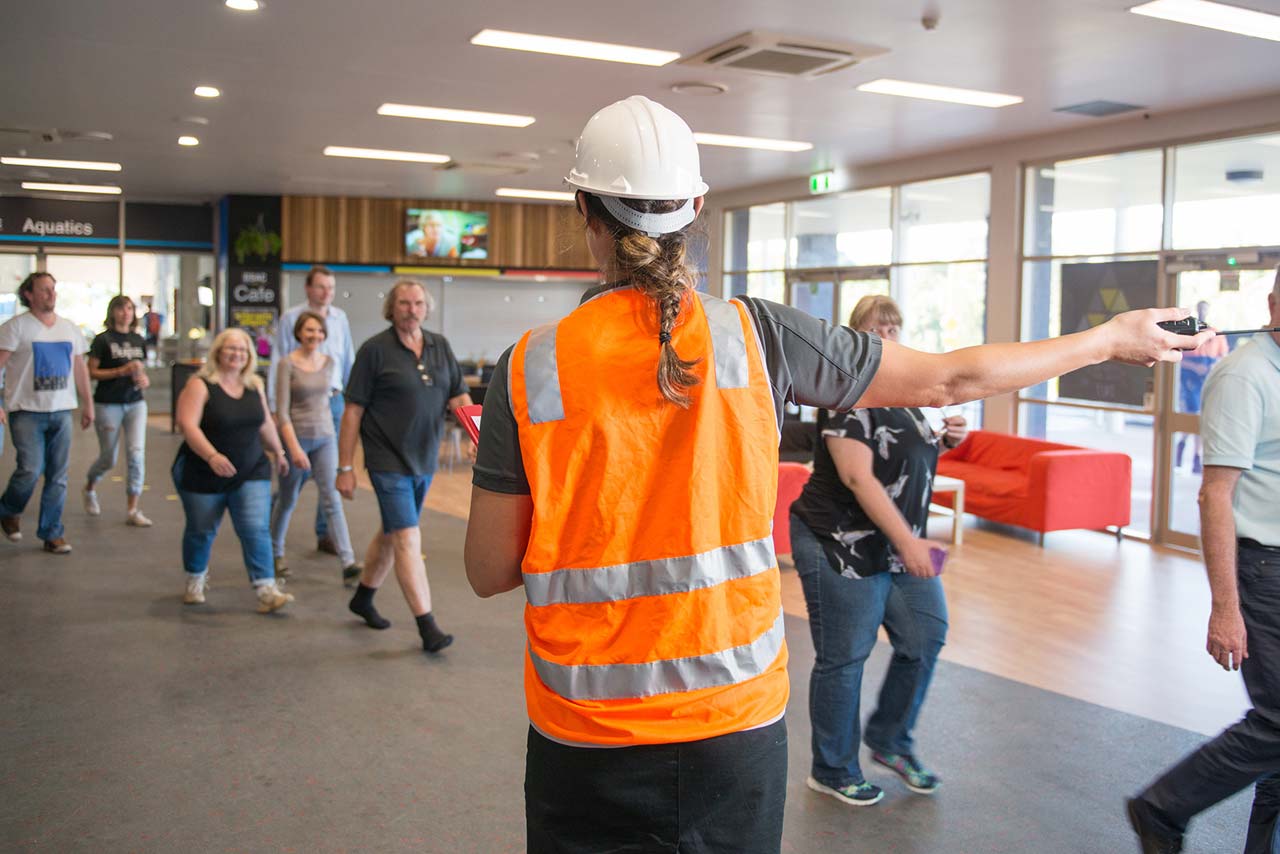
Emergency drills every four months
HS106 changes the minimum frequency of emergency drills from at least every three months to at least every four months.
Where to find the current criteria
ERO now publishes the licensing criteria for centre-based services, with guidance on how to show you comply with each one, on its page Licensing criteria for centre-based ECE services. The Ministry of Education's page on the 2026 changes to the licensing criteria has comparison tables showing each old criterion next to its new version, and a downloadable guide to the changes.
What does good practice look like?
Meeting the 1:25 ratio is the minimum. ERO's own guidance includes ideas for going further, and these are the ones we see make the biggest difference in centres.
Train every adult, not just enough to meet the ratio
ERO encourages services to have all adults complete first aid training. It reduces the need for careful rostering and means more people can help in an emergency involving several children at once. You can include it in your professional development programme.
Book refreshers before certificates expire
A first aid qualification stays current for two years. To extend it for another two years, each adult needs to complete either a full first aid qualification course or a revalidation course with an accredited provider. ERO suggests booking about six weeks before a certificate expires, so a delay does not leave someone unqualified and your ratio short. Our First Aid Refresher course is designed for people whose certificate is due for renewal.
Keep a simple first aid register
For each adult, record which unit standards they hold, the date their certificate was issued, its expiry date, and the days they are rostered on. Check it monthly and book refreshers as soon as anyone is within two months of expiry. Keeping rosters alongside it gives you ready evidence that the ratio is met every day.
Put trained staff on meal supervision
Because the supervising adult at meal times must know how to respond to choking and adverse reactions, rostering first aid qualified staff to supervise eating is the simplest way to meet HS116.
Train together as a team
For groups of 8 or more, we can run training onsite at your centre, so your team practises on the scenarios most relevant to your service. If you are also working out first aid cover for other kinds of workplaces, our guide to workplace first aid requirements in New Zealand explains the general rules under the Health and Safety at Work Act.
First aid compliance checklist for ECE centres
- At least one first aid qualified adult for every 25 children (or part thereof), all day, including breaks.
- The ratio is met on excursions and at the centre at the same time.
- Copies of current first aid or practising certificates are on file.
- Certificate expiry dates are tracked, with refreshers booked around six weeks ahead.
- First aid kits are sized for your numbers, recognisable, reachable by adults, out of children's reach, and checked on a regular schedule.
- Adults supervising meal times know how to respond to choking and adverse reactions.
Frequently asked questions
How many first aiders does an early childhood centre need?
At least one first aid qualified adult for every 25 children attending, or part thereof. A centre with 26 to 50 children needs at least two, at all times.
Does a first aid certificate from any provider count?
The qualification must come from an NZQA accredited first aid training provider and include unit standards 6401 and 6402.
Do registered nurses need a separate first aid certificate?
No. Registered medical practitioners, nurses and midwives with a current practising certificate count towards the ratio, as do qualified ambulance officers and paramedics.
How long is a first aid certificate valid for?
Two years. Before it expires, complete a first aid qualification course or a revalidation course to keep it current.
Do home-based services follow the same rules?
Home-based education and care services have their own set of licensing criteria, with first aid qualifications covered under HS216. ERO publishes those separately.
Sources
- HS119 First aid qualifications, Education Review Office
- PF123 First aid kit, Education Review Office
- HS116 Supervision while eating, Education Review Office
- 2026 changes to licensing criteria, Ministry of Education
- Licensing criteria for centre-based ECE services, Ministry of Education